
Pet Medical Conditions
FIV – Feline Aids
Feline Immunodeficiency Virus (FIV) – by Dr Phil Sacks Both viruses have been around relatively similar time frames (HIV since 1981 FIV isolated first in1987) Both affects similar cell types The disease course has a similar time progression And also similar clinical signs and outcome The hallmark of FIV infection is progressive disruption of immune…
Read MoreFeline Epilepsy – Basics and Therapy
What is a Cat Seizure or epileptic fit? Any involuntary or uncontrolled muscular contractions in cats may represent a seizure. Feline Seizures are classified into several categories. About 1% of cats will seizure at least once in their lifetime. Causes of FELINE epilepsy More brain tumours in older cats FIP virus – in younger cats…
Read MoreEpilepsy In Dogs

Canine Epilepsy (The Basics) What is a dog Seizure? Any involuntary or uncontrolled muscular contractions in dogs may represent a seizure. Canine Seizures are classified into several categories. About 5% of dogs and 1% of cats will seizure at least once in their lifetime. Generalized dog seizures are the most common. The entire body is…
Read MoreEar Infections In Dogs

“My dog keeps on scratching his ears” Dogs with sore ears usually do not just have dog ear infections! But the itchy ears are, almost always a sign of other diseases. Therefore, the vets’ goal in dealing with sore ears in dogs should be to find the condition that allowed the “otitis” or dog ear…
Read MoreDog Separation Anxiety
Dogs are pack animals and need company. Dogs thrive best in a social environment. Being alone may result in separation anxiety. Separation-related behaviour problems has been estimated at 20% of the dog population ! Separation anxiety is a big problem. Some dogs are overly attached to a member of the family. Does my dog have…
Read MoreDog Pregnancy and Whelping
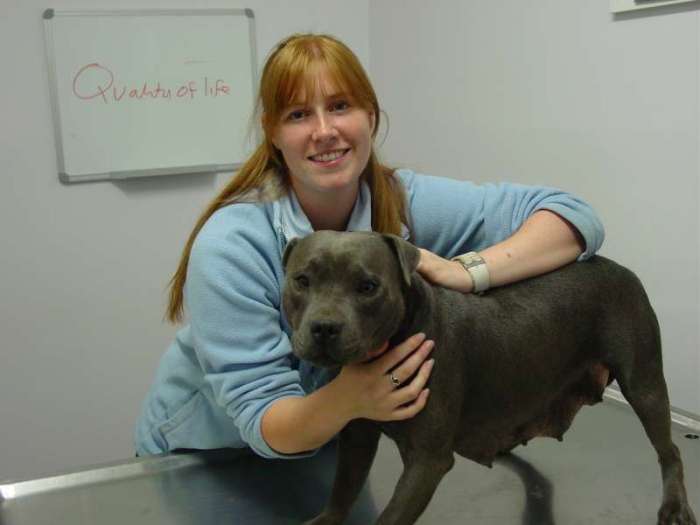
Pregnancy and Whelping Bitches can whelp (give birth) 55 – 70 days after mating. In general, the expected date of whelping is around 63 days after the last mating. More accurate prediction can be made if your bitch’s cycle is monitored by vaginal smear or blood testing. Is my bitch about to go into labour…
Read MoreDog Dementia – Jimmy’s Story

Picture By Tamara Kenneally or http://www.tamarakenneallyphotography.com/ The Journey As told By Kira Jimmy has been intensely bonded with me since he was rescued. Suffering from regular seizures, blindness, poor health and a past marred by severe neglect, a profound connection was forged between us. Aside from sharing our days together, for many years our most cherished…
Read MoreDiabetes In Dogs and Cats
Diabetes Mellitus in Dogs and Feline diabetes. Dogs and Cats and Birds each have very different very different types of Diabetic syndromes. The veterinary treatment of diabetes in pets is managed according to species. Diabetes in dogs A dog is an omnivore- in nature preferring offal to pure meat – Diabetic Dogs still have relatively…
Read MoreDiabetes In Dogs
Canine Diabetus or Diabetes Mellitus in dogs is a common endocrine disorder that affects our pet dogs in a similar way to humans. It is usually caused by a lack of insulin in the body, Insulin is produced in the pancreas. and allows the body’s cells to utilise glucose from the blood. When a diabetic…
Read MoreDiabetes in Cats

A cat is a carnivore – like many human children, they don’t like vegetables! Feline Diabetes is usually as a result of insulin resistance – IE; there is a “fortune” of insulin produced; an over production on insulin, the pancreas Islet cells are hyperactive , and it leads to Islet “exhaustion” or depletion as they…
Read More