
Dogs
Greyhound Vet Dental – Carnasial Tooth Extraction
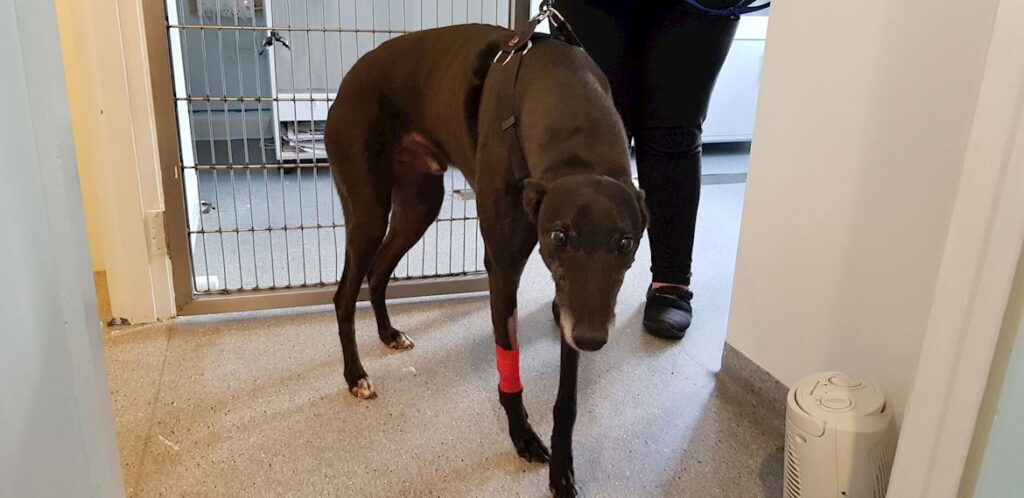
Greyhounds have rather unique dental problems. The receding gum that progresses with age often results in root exposure, and is common in our Greyhound Rescue dogs presented for Adoption. The bacterial load on the tooth gum margin often results in tartar and plaque on a greyhound’s teeth which, if not removed, will results in gingivitis…
Read MoreGreyhound Tooth Abscess
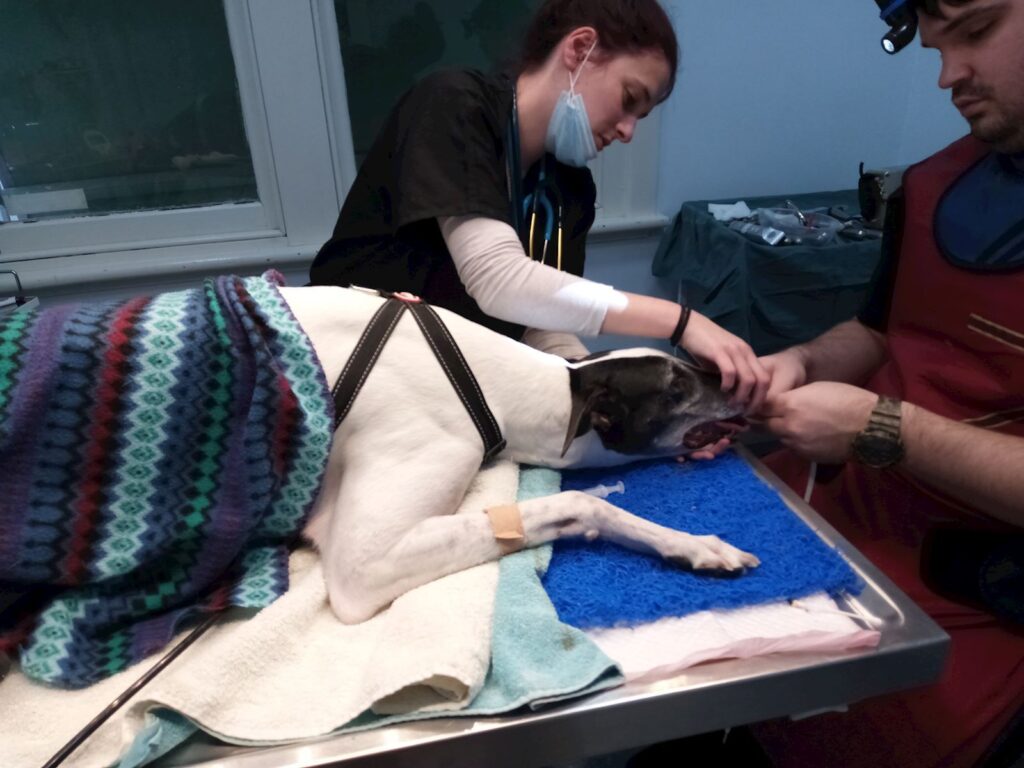
80 % of Greyhounds will have dental disease buy the age of Two. The veterinary dentists for Greyhounds recommend basic oral cleaning. . About 15 seconds of wiping the tooth gum margin make a big difference! Signs of Greyhound dental disease include; Bad breath Redness of the gums and Discoloration of teeth BELOW: Getting our…
Read MoreGingival Hyperplasia In Dogs
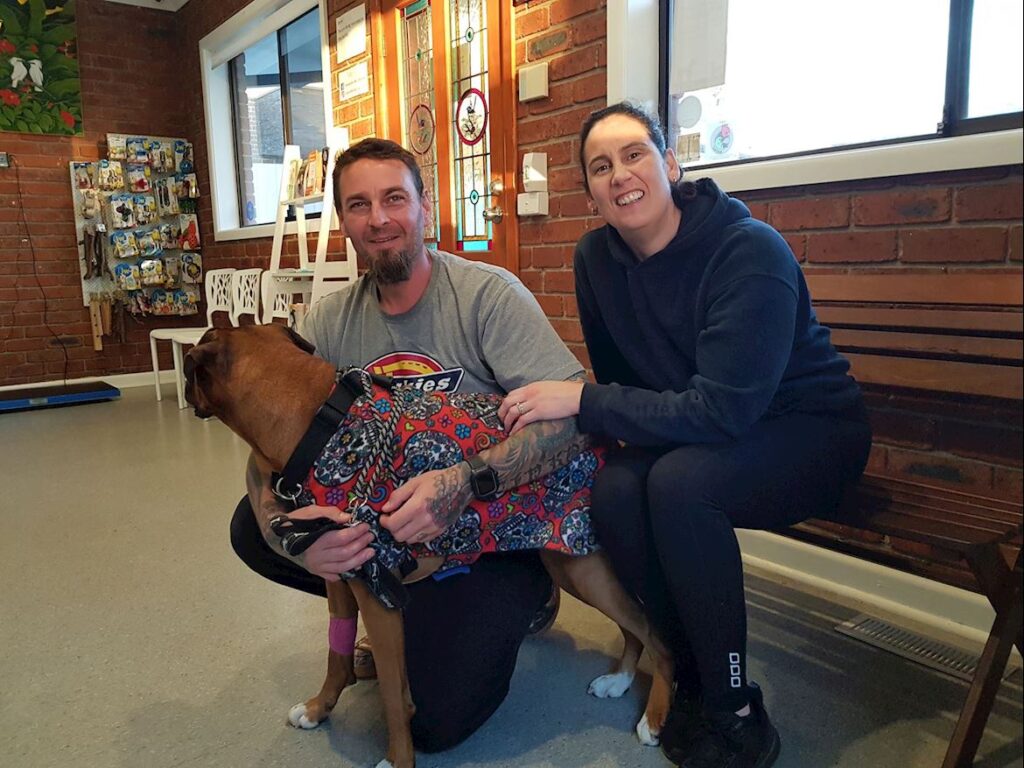
Gingival hyperplasia refers to the pathological growth of excess gum tissue as a result of (Dr Phil suspects) periodontal diseae . See the picture below: There are some breeds that are more commonly affected to gingival hyperplasia Like the Great Dane, Doberman and Boxers . So Why the Gum growth ? As the frpreiodindal pocket…
Read MoreGeriatric Dog Dental Surgery
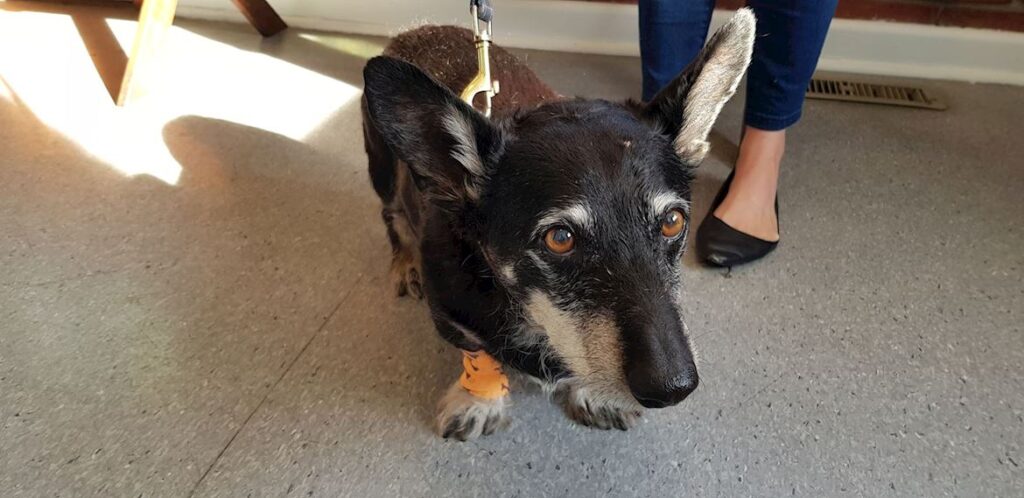
The aim of our veterinary dentist is a mouth free of pain and infection. An infected mouth leads to pain and not being healthy, with bacteria getting into the blood stream and affecting the liver, kidneys and heart. Quoting Veterinary Dental Specialist Dr Holmstrom “Quality of life is also important issue for geriatric patients. Allowing…
Read MoreFrequently Asked Vet Dental Questions
How long does it take to get an appointment with the Dentistry veterinarian? A Usually with in 72 hours Do I have to have a referral n in order to be able to make an appointment with the vet Dentist? No, not needed How long will the receiving appointment take? The appointment will take 30…
Read MoreFlea And Tick Control
Flea Control Fleas are most often seen during the warmer months but as we keep our homes nice and warm throughout winter, we see fleas all year round. Only a small part of the adult flea population actually lives on your pet. The fleas’ eggs and larvae live in the environment and can survive for…
Read MoreFacts About Cognitive Canine Disorder
Adapted from From notes by Susan and Michael Cain What is Canine Cognitive Dysfunction ? “CCD is a degenerative process similar to Alzheimer’s in humans,” explains Fanucchi. “Confusion, affected social relationships, changes in activity level, apathy, increased anxiety, compulsive behaviors, restlessness, fear of familiar objects and people, aggression, and changes in sleep-wake cycle as well as…
Read MoreEpilepsy In Dogs
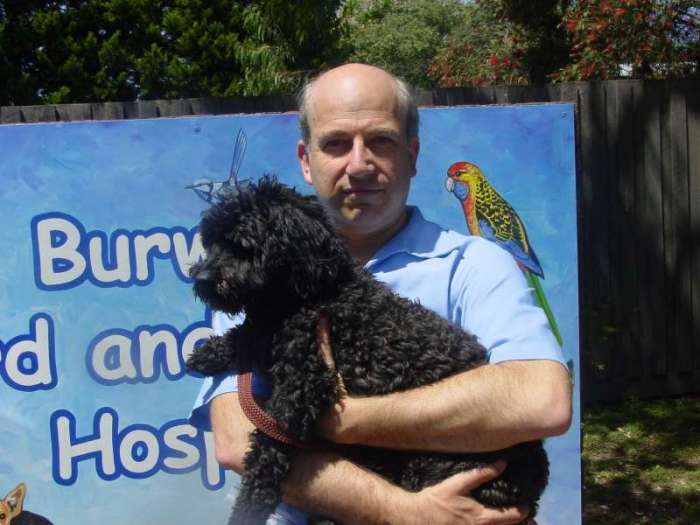
Canine Epilepsy (The Basics) What is a dog Seizure? Any involuntary or uncontrolled muscular contractions in dogs may represent a seizure. Canine Seizures are classified into several categories. About 5% of dogs and 1% of cats will seizure at least once in their lifetime. Generalized dog seizures are the most common. The entire body is…
Read MoreEmergency Procedures
We provide emergency care for critical illness or injury that occur during clinic hours but we are not a 24 hour clinic. Outside business hours emergency cases are referred to the:Pet Emergency and Specialist Centre, 1103 Dandenong Road, Malvern East – Phone (03) 9569 3677 or Animal Emergency Centre, 37 Blackburn Road, Mt Waverley (03)…
Read MoreEar Infections In Dogs

“My dog keeps on scratching his ears” Dogs with sore ears usually do not just have dog ear infections! But the itchy ears are, almost always a sign of other diseases. Therefore, the vets’ goal in dealing with sore ears in dogs should be to find the condition that allowed the “otitis” or dog ear…
Read More