Pet Dentistry
Poodle Dental Surgery
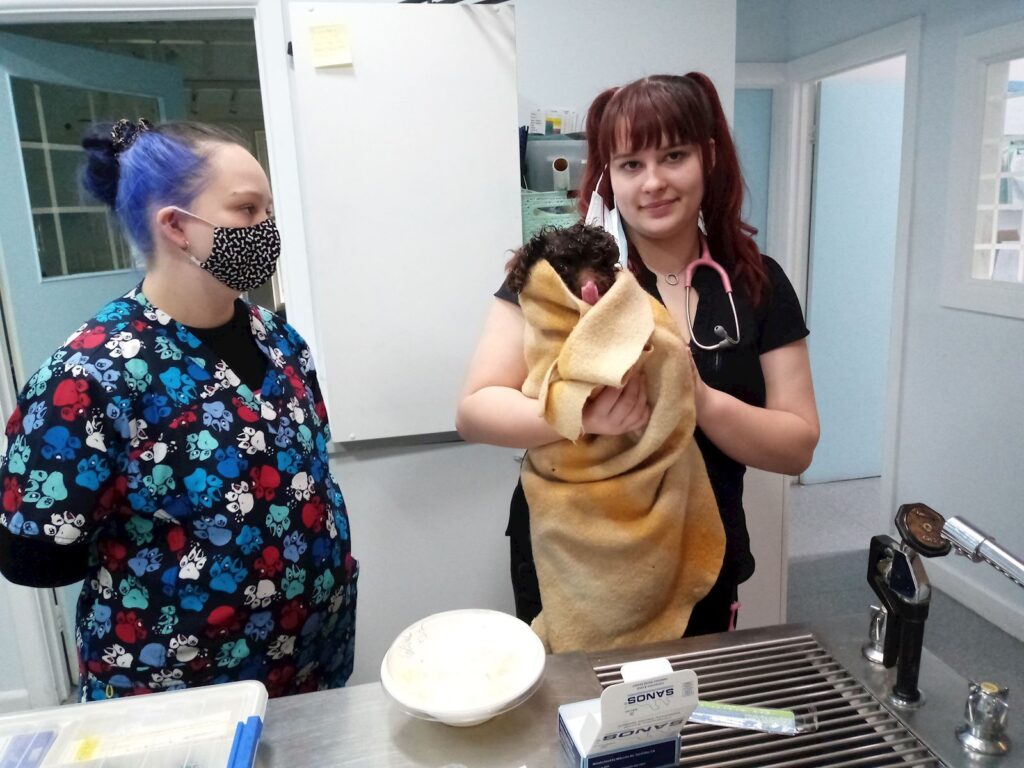
Miniature poodles have very delicate teeth and tiny often twisted roots and the poodle vet dentist needs to take care when extracting the delicate poodle teeth. Alice came in for tooth restoration, but the tooth needed to be sectioned into three, and gently removed by the Poodle vet dentist. The maxillary 4th premolar 208 is…
Read MoreOronasal Fistula Repair – Dog Dental
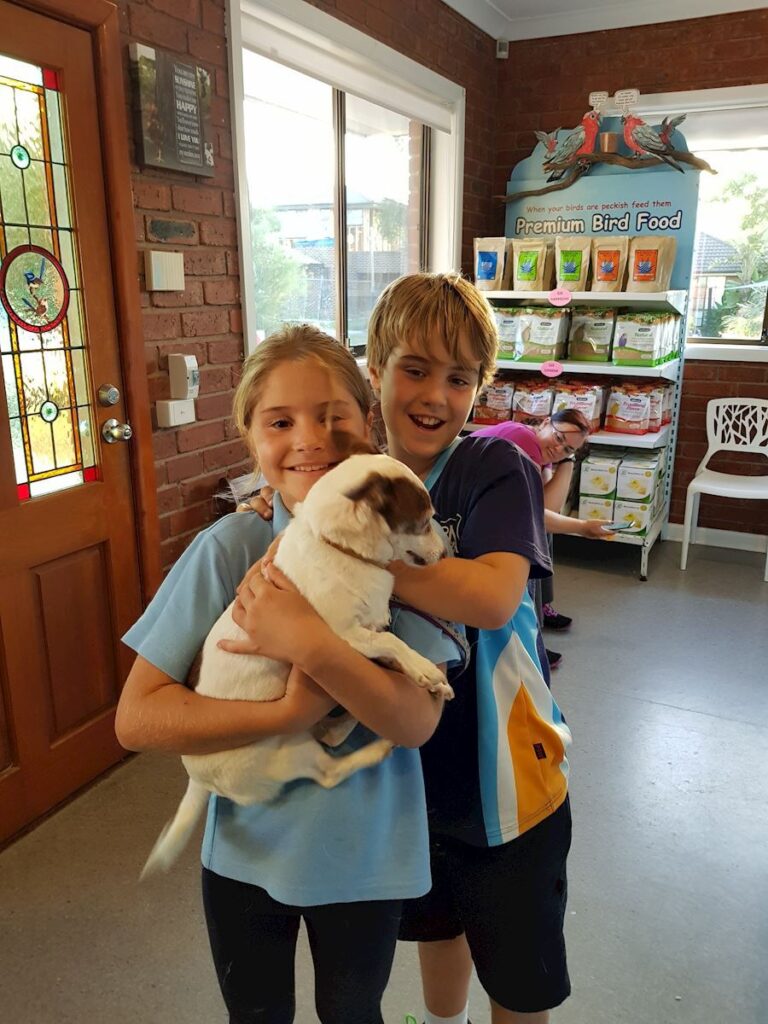
Jacquie a 15 year old Jack Russel had an oronasal fistula after an infected canine tooth was extracted. Oronanasal Fistula is an abnormal connection between the mouth – “oro” and the Nose -“nasal”. So food could end up on the nose. This is a common complication after extraction of canine teeth with marked periodontal disease…
Read MoreHow to Recognise A Dog Tooth Abscess and What To Do About It
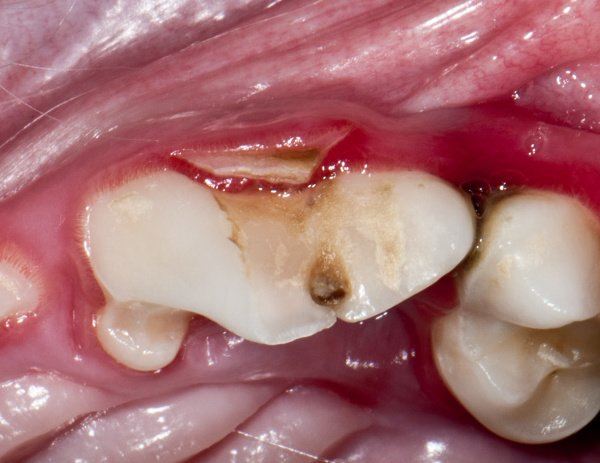
The most common cause of facial swellings presented to this veterinary dentist is a tooth root abscess. The dog dentists note that specifically upper fourth premolar tooth, and upper canines is most commonly associated with facial swellings. Any tooth can theoretically cause a swelling or draining tract. Diseased teeth in dogs mouth causing an abscess…
Read MoreGum Disease – Veterinary Periodontics
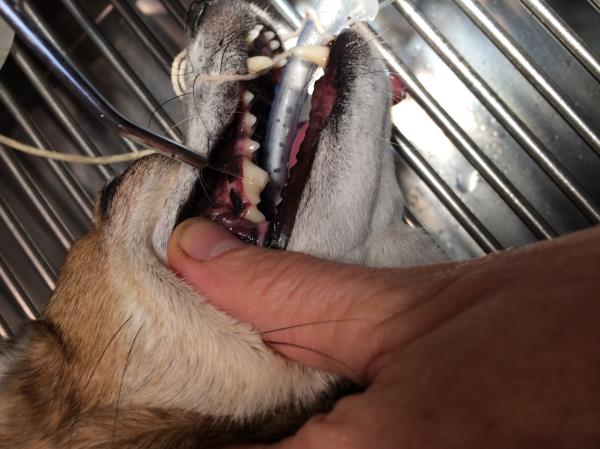
According to the American Veterinary Dental Society, more than 80 percent of dogs and 70 percent of cats develop gum disease by the age of three years. Periodontal disease is the most common condition animal dentists see affecting dogs and cats. Infection and inflammation of the gums and supporting tissues of the teeth are caused…
Read MoreGreyhound Vet Dental – Carnasial Tooth Extraction
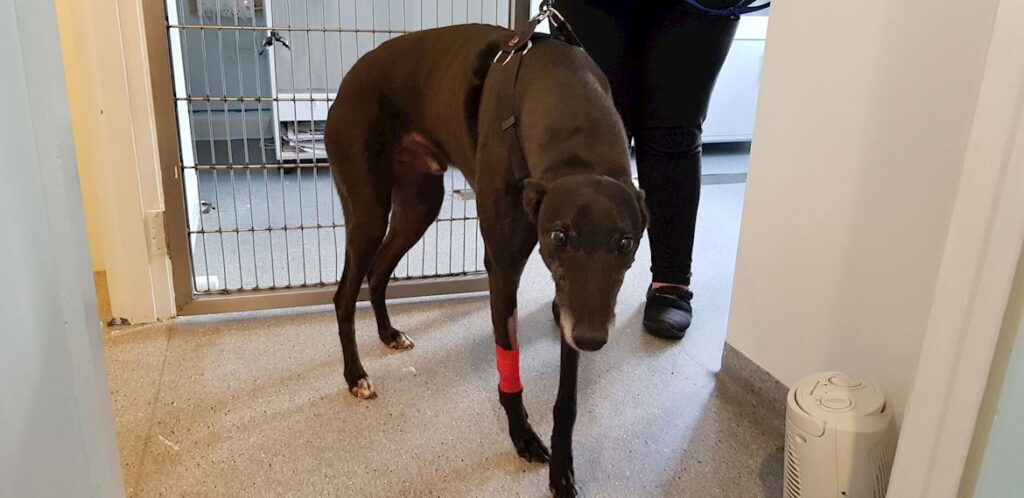
Greyhounds have rather unique dental problems. The receding gum that progresses with age often results in root exposure, and is common in our Greyhound Rescue dogs presented for Adoption. The bacterial load on the tooth gum margin often results in tartar and plaque on a greyhound’s teeth which, if not removed, will results in gingivitis…
Read MoreGreyhound Tooth Abscess
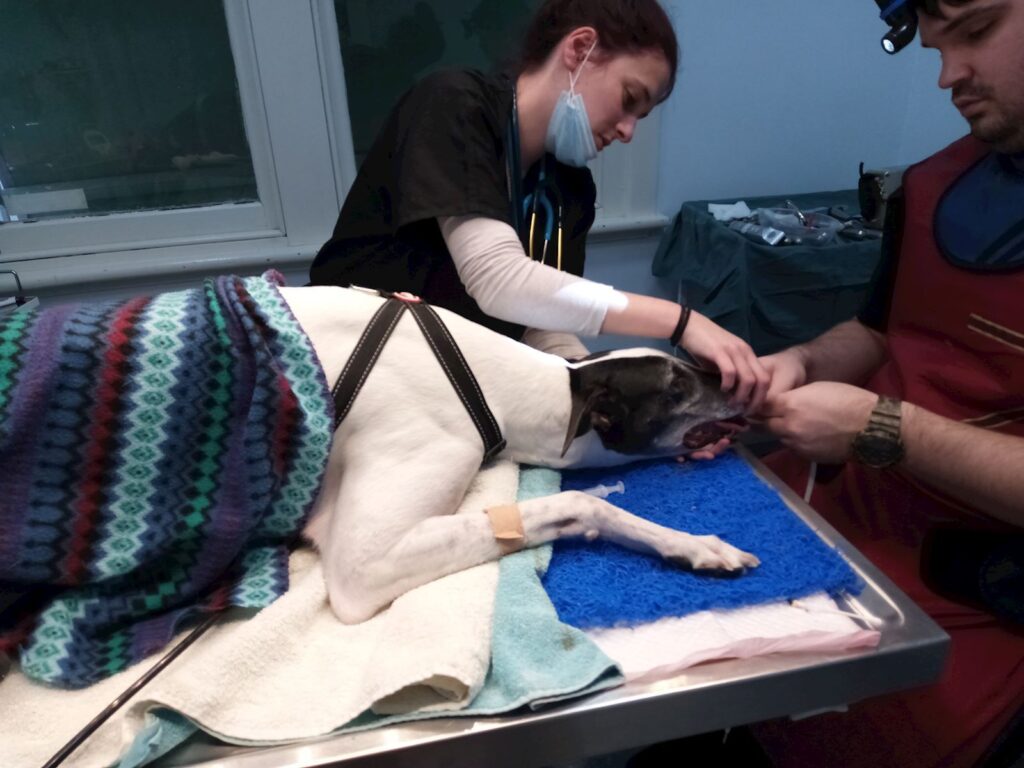
80 % of Greyhounds will have dental disease buy the age of Two. The veterinary dentists for Greyhounds recommend basic oral cleaning. . About 15 seconds of wiping the tooth gum margin make a big difference! Signs of Greyhound dental disease include; Bad breath Redness of the gums and Discoloration of teeth BELOW: Getting our…
Read MoreGingival Hyperplasia In Dogs
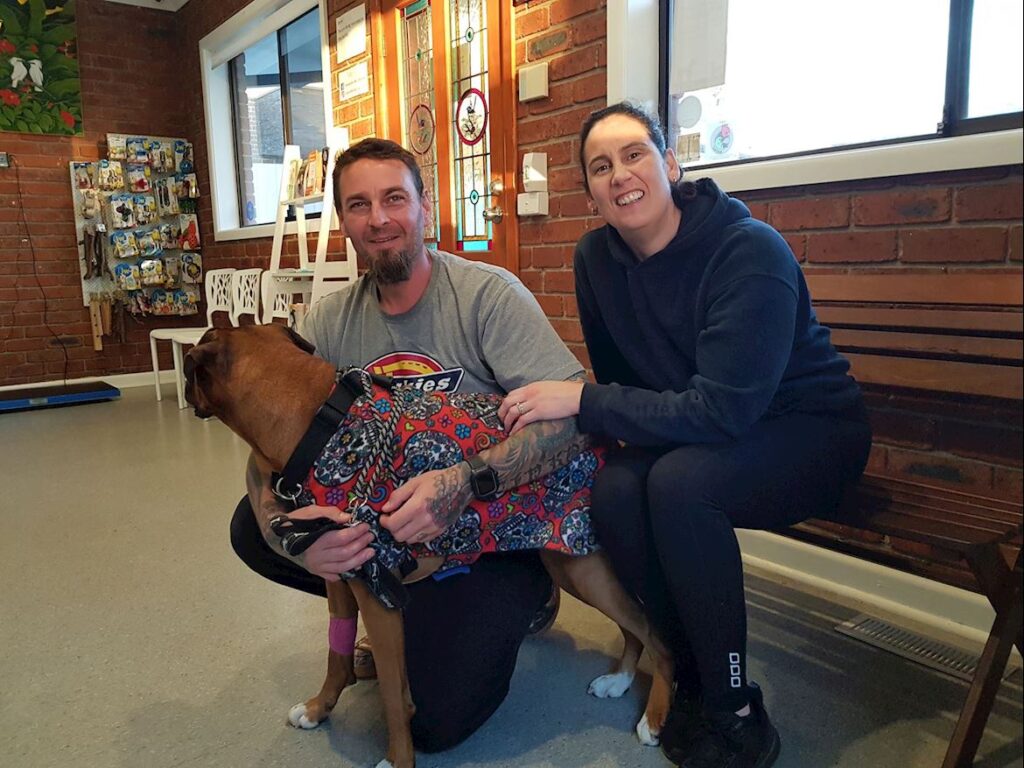
Gingival hyperplasia refers to the pathological growth of excess gum tissue as a result of (Dr Phil suspects) periodontal diseae . See the picture below: There are some breeds that are more commonly affected to gingival hyperplasia Like the Great Dane, Doberman and Boxers . So Why the Gum growth ? As the frpreiodindal pocket…
Read MoreGeriatric Dog Dental Surgery
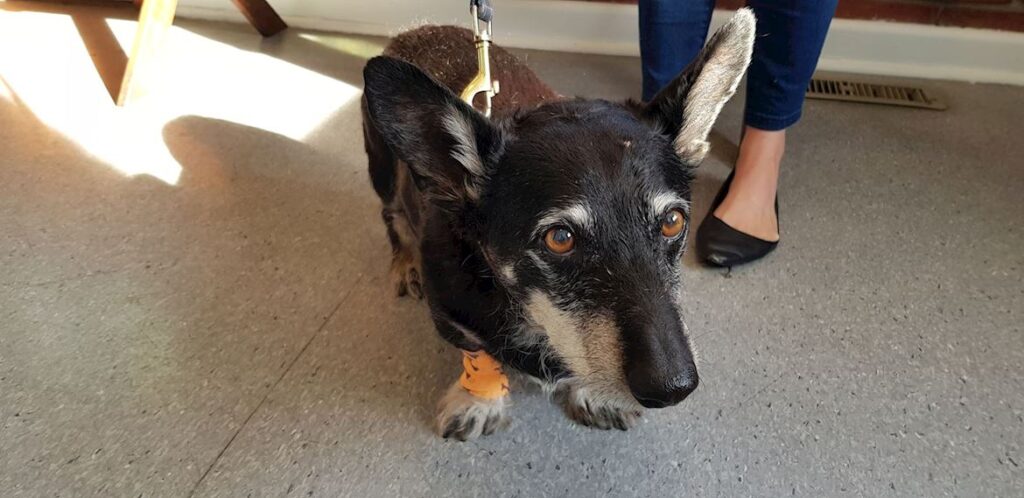
The aim of our veterinary dentist is a mouth free of pain and infection. An infected mouth leads to pain and not being healthy, with bacteria getting into the blood stream and affecting the liver, kidneys and heart. Quoting Veterinary Dental Specialist Dr Holmstrom “Quality of life is also important issue for geriatric patients. Allowing…
Read MoreFrequently Asked Vet Dental Questions
How long does it take to get an appointment with the Dentistry veterinarian? A Usually with in 72 hours Do I have to have a referral n in order to be able to make an appointment with the vet Dentist? No, not needed How long will the receiving appointment take? The appointment will take 30…
Read MoreFeline Tooth Resorption (FORL)
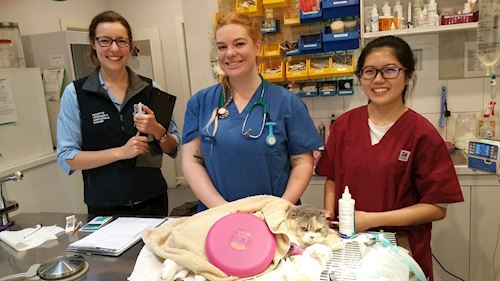
Feline odontoclastic resorption lesions – FORL’s are a common and painful condition, seen by cat dentists, in domestic cats. Cat dental studies have shown over 50% of adult cats develop tooth resorption. The teeth become functionally destroyed, and painful as a result of tooth resorption. These feline dental lesions were originally called feline odontoclastic resorption lesions or neck lesions, and cat dental “cavities” because…
Read More